




Client Profile
Tower Title provides real estate title and settlement services like property title searches, ownership verification, and property acquisition documentation.
Challenge
Tower Title relied on a legacy third-party system that limited operational flexibility and lacked centralized visibility and automation across key title-processing workflows. This created inefficiencies as order volumes and operational complexity increased.

Result
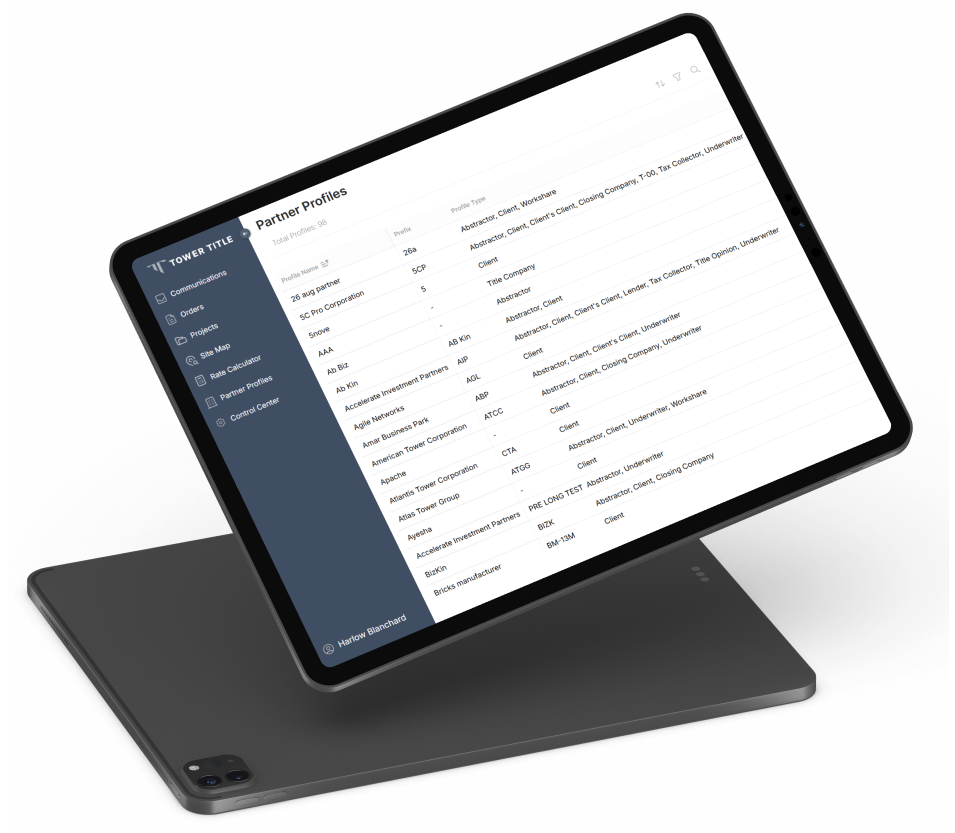
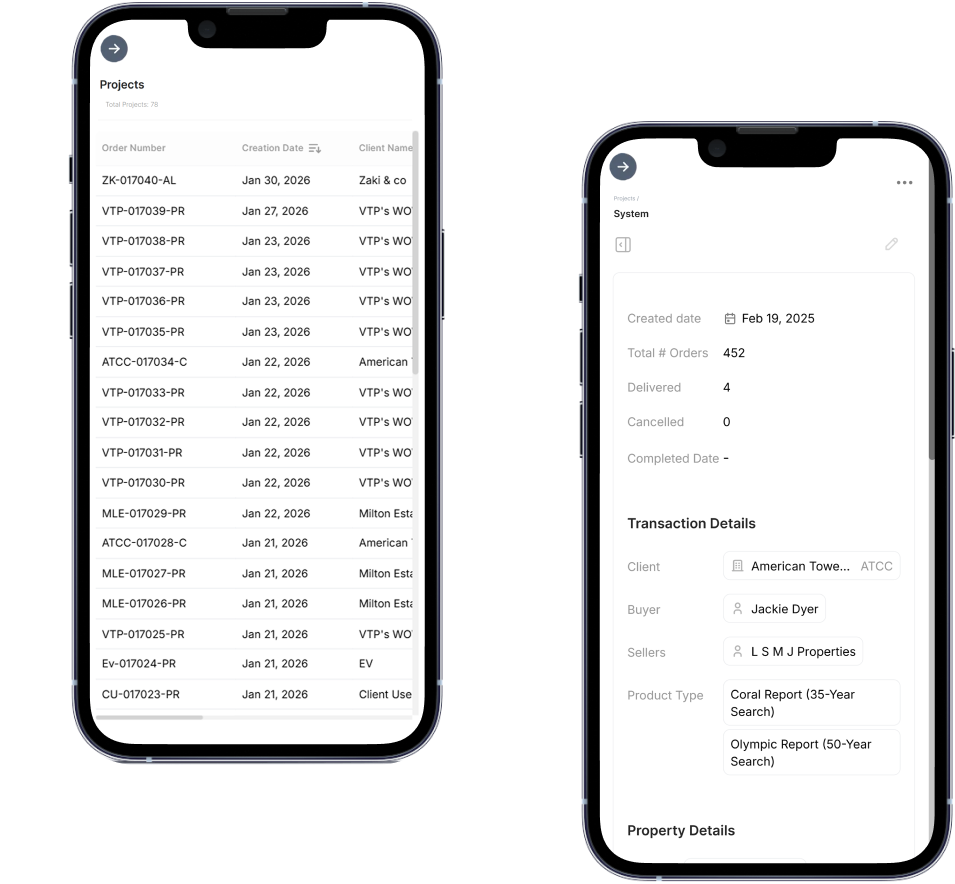
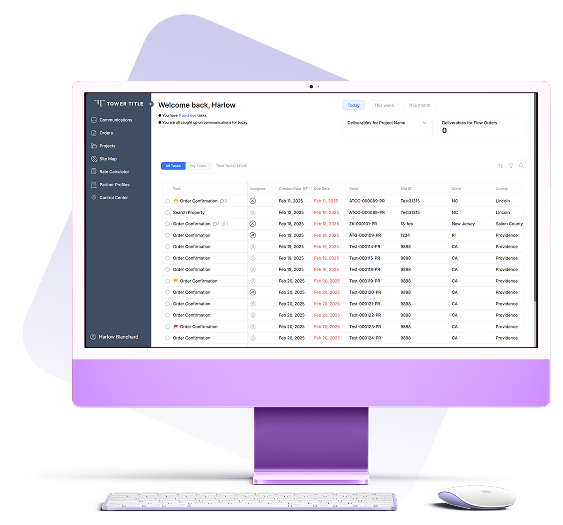
Biz4Solutions designed and developed a modern, scalable Title Operations Management Platform for Tower Title that digitized and unified end-to-end title workflows. The solution enabled Tower Title to manage property orders, projects, communications, rate calculations, partner coordination, and deliverable generation from a single system.


Overview
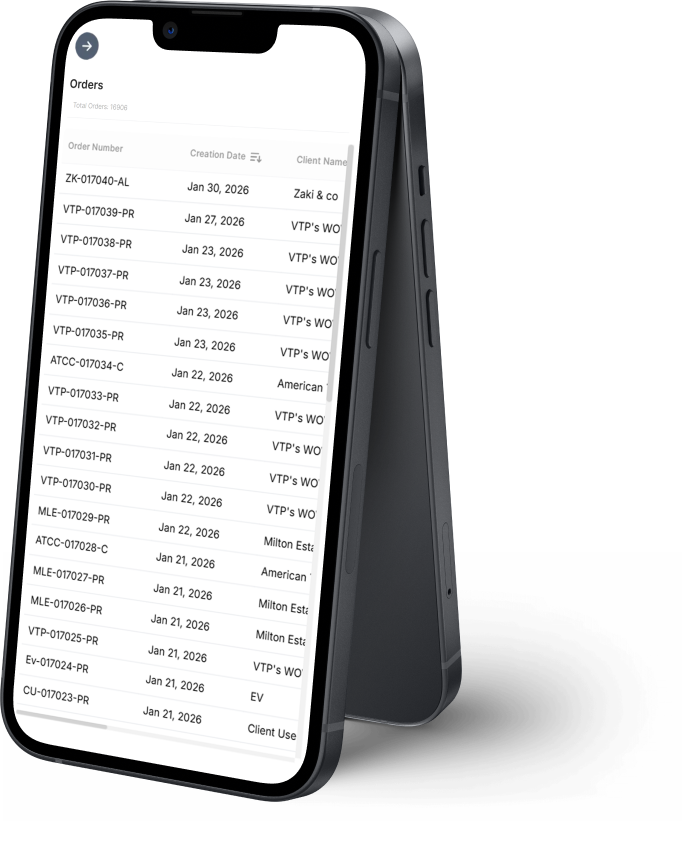
A web-based title operations system; it streamlines end-to-end title management for internal teams and external clients and centralizes order processing, project coordination, workflow management, communications, partner operations, and reporting within a unified environment. Teams can manage multiple property orders, organize work through structured projects and task-driven processes, and maintain visibility across ongoing operations. A supporting client-facing interface allows users to search properties, place orders, and track progress through a controlled and intuitive experience.
Developmental Challenges
During development, the team encountered several industry-typical challenges, including:
- Designing configurable task workflows that automatically progress across complex title product lifecycles without manual intervention.
- Generating dynamic, editable legal deliverables that accurately pull data from multiple structured inputs while supporting templates and localization.
- Maintaining performance and responsiveness when visualizing large datasets on interactive maps and processing bulk rate calculations.
- Ensuring seamless data continuity between a modern platform and a legacy title management system without direct API parity.
How We Resolved These Challenges
To address workflow complexity, we implemented a rule-driven task engine that dynamically creates and advances tasks based on product-specific logic, enabling reusable workflows for future title products. For deliverables, we designed a structured data-mapping layer paired with Syncfusion-based rendering, allowing documents to auto-populate accurately while remaining fully editable within the application. Performance challenges were mitigated using background processing, data caching, and clustering techniques for map visualization and bulk operations. Legacy system synchronization was achieved through staged .NET-to-Rails data ingestion pipelines, allowing orders, examination data, and documents to be migrated incrementally without disrupting ongoing operations.